
Factors Affecting Vapor Barrier Installation Costs

Installing a vapor barrier is a smart move to protect your property from moisture damage. But how much will it cost? The price can vary widely depending on several factors. Understanding these can help you plan your budget and avoid surprises. I’ll walk you through the main elements that influence vapor barrier installation costs and offer practical tips to keep expenses in check.
What Influences Vapor Barrier Costs?
Vapor barrier costs depend on more than just the material price. Here are the key factors that affect the overall expense:
Size of the Area: Larger spaces need more material and labor, which raises the cost.
Type of Vapor Barrier: Different materials have different prices. Polyethylene sheets are common and affordable, while specialized membranes cost more.
Condition of the Surface: If the surface is uneven or damaged, extra prep work is needed.
Accessibility: Hard-to-reach areas take longer to work on, increasing labor costs.
Labor Rates: Prices vary by region and contractor experience.
Additional Services: Sealing, insulation, or repairs add to the total.
For example, installing a vapor barrier in a clean, accessible basement will cost less than doing the same in a crawl space with uneven ground and moisture issues.

How Material Choice Affects Price
The type of vapor barrier you choose plays a big role in the final cost. Here are some common options:
Polyethylene Sheets: These are the most popular and budget-friendly. Thickness varies from 6 mil to 20 mil. Thicker sheets cost more but last longer.
Foil Vapor Barriers: These reflect heat and moisture but are pricier.
Spray-On Barriers: Applied as a liquid, they seal cracks well but require professional installation.
Peel-and-Stick Membranes: Easy to install but more expensive than sheets.
Choosing the right material depends on your specific needs and budget. For example, a polyethylene sheet might be enough for a dry basement, but a spray-on barrier could be better for a damp crawl space.
Can I install a vapor barrier myself?
You might wonder if you can save money by doing the installation yourself. The answer depends on your skills and the project complexity.
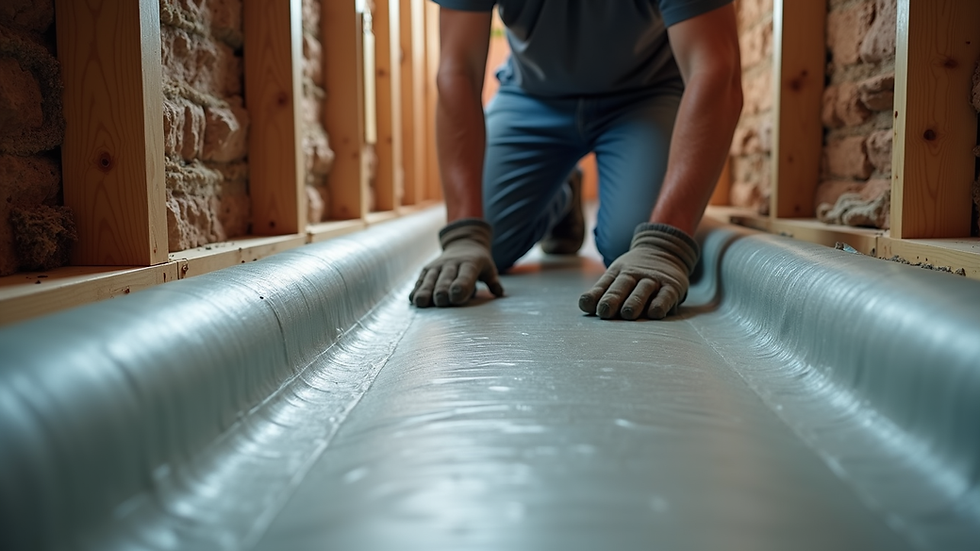
Simple Installations: If you have a flat, clean surface and are comfortable with basic tools, you can install polyethylene sheets yourself. It involves rolling out the material, cutting it to size, and sealing seams with tape.
Complex Situations: For uneven surfaces, tight spaces, or when using spray-on or peel-and-stick barriers, professional help is best. Mistakes can lead to moisture problems and higher costs later.
DIY installation can save on labor, but be sure to follow manufacturer instructions carefully. If you’re unsure, hiring a pro ensures the job is done right the first time.
Labor and Preparation Costs
Labor is a significant part of the total cost. Skilled installers charge based on the job’s difficulty and time required. Here’s what affects labor costs:
Surface Preparation: Cleaning, leveling, and repairing the area before installation takes time.
Sealing and Taping: Proper sealing of seams and edges is crucial to prevent moisture leaks.
Removal of Old Materials: If you need to remove an old vapor barrier or damaged materials, expect extra charges.
Site Accessibility: Tight or cluttered spaces slow down work.
For example, a straightforward basement floor installation might take a few hours, while a crawl space with obstacles could take a full day or more.
Tips to Manage Vapor Barrier Installation Cost
You can control costs by planning ahead and making smart choices:
Get Multiple Quotes: Compare prices from different contractors to find the best deal.
Choose the Right Material: Don’t overspend on high-end materials if a basic polyethylene sheet will do.
Prepare the Area: Clear debris and fix minor damage yourself before the pros arrive.
Bundle Services: If you need other waterproofing or insulation work, ask for a package deal.
Schedule During Off-Season: Some contractors offer discounts during slower months.
Remember, investing in a quality vapor barrier pays off by protecting your property and reducing future repair costs.
If you want to learn more about the typical vapor barrier installation cost, check out Aqua Gods Waterproofing. They offer expert advice and reliable service to keep your home dry and secure.
What Happens If You Skip a Vapor Barrier?
Skipping a vapor barrier might save money upfront but can lead to costly problems later. Moisture can cause:
Mold and mildew growth
Wood rot and structural damage
Poor indoor air quality
Increased heating and cooling costs
Installing a vapor barrier is a smart investment to avoid these issues. It keeps your property safe and comfortable.
Final Thoughts on Vapor Barrier Installation Costs
Understanding what affects vapor barrier installation costs helps you make informed decisions. Focus on the size, material, labor, and preparation needs. Consider your property’s condition and choose the right solution for your budget. Whether you hire a pro or do it yourself, a well-installed vapor barrier protects your investment for years to come.
For trusted service and quality work, Aqua Gods Waterproofing is a top choice. They specialize in keeping homes and businesses dry with professional vapor barrier installation and waterproofing solutions.


Comments