
Repair Bowing Basement Walls: How to Fix Them Effectively

Bowing basement walls are a serious problem. They can threaten the safety of your home or commercial property. If you notice walls that lean inward or have cracks, you need to act fast. Ignoring the issue can lead to costly damage. I will guide you through the best ways to repair bowing basement walls. You will learn what causes the problem, how to spot it early, and what solutions work best.
Understanding How to Repair Bowing Basement Walls
Bowing basement walls happen when the soil outside pushes against the foundation. This pressure can bend or crack the walls. Water buildup, poor drainage, and soil type all play a role. When you repair bowing basement walls, you must address both the wall damage and the soil pressure.
Here are some common repair methods:
Wall anchors: These are metal rods installed through the wall into the soil. They pull the wall back to its original position.
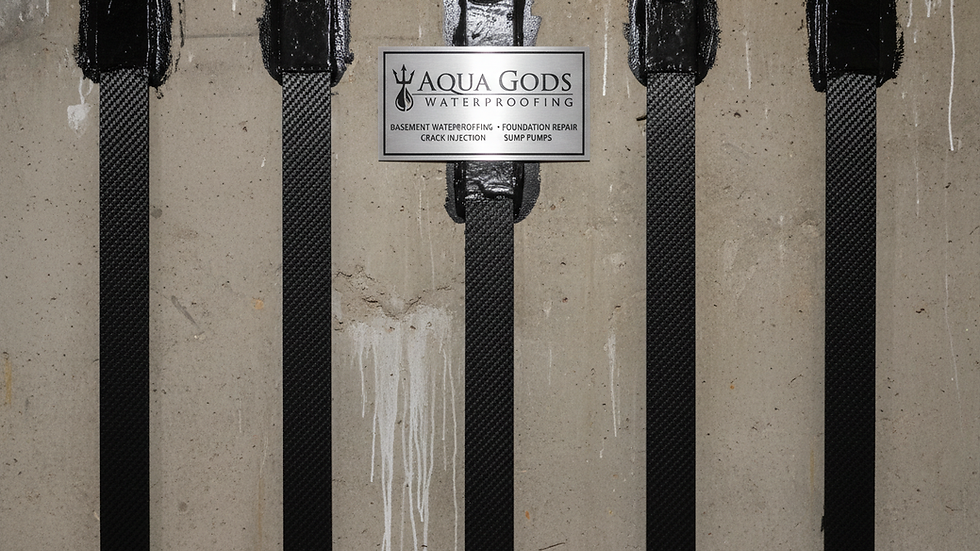
Carbon fiber straps: These strong straps attach to the wall to stop further bowing.
Steel beams: Vertical beams can support the wall and prevent collapse.
Excavation and waterproofing: Removing soil and fixing drainage can reduce pressure.
Each method has pros and cons. The right choice depends on how severe the bowing is and your budget. Sometimes, a combination of methods works best.

Signs You Need to Repair Bowing Basement Walls
You should inspect your basement regularly. Early detection saves money and stress. Look for these signs:
Walls leaning inward or bulging
Cracks in the walls, especially horizontal ones
Doors and windows that stick or don’t close properly
Water leaks or damp spots near the foundation
Bowed walls that feel soft or spongy when pressed
If you see any of these, call a professional for an assessment. They can measure the bowing and recommend repairs. Don’t wait until the problem worsens.
Should I Buy a House with Bowing Basement Walls?
Buying a house with bowing basement walls is risky but not impossible. You must understand the extent of the damage and the repair costs. Here are some tips:
Get a thorough inspection by a structural engineer.
Ask for repair estimates from trusted contractors.
Check if the seller has already fixed the problem or offers a warranty.
Consider how the repairs will affect your budget and timeline.
Understand that some lenders may hesitate to finance homes with foundation issues.
If you decide to buy, plan to fix the walls quickly. This protects your investment and keeps the property safe.
How to Fix Bowing Basement Walls Safely and Effectively
Fixing bowing basement walls requires skill and the right tools. Here’s a step-by-step overview of what to expect:
Assessment: A professional inspects the walls and soil conditions.
Planning: They choose the best repair method based on the damage.
Preparation: The area is cleared, and any water issues are addressed.
Installation: Wall anchors, straps, or beams are installed carefully.
Monitoring: The wall is checked over time to ensure stability.
You can also take steps to prevent future bowing:
Improve drainage around your foundation.
Keep gutters clean and direct water away from the house.
Avoid planting large trees near the foundation.
Maintain consistent soil moisture levels.
If you want to fix bowing basement walls effectively, work with a company that understands waterproofing and foundation repair. They will provide a lasting solution.
Protect Your Property with Timely Repairs
Ignoring bowing basement walls can lead to serious problems. Walls may crack further, water can seep in, and the structure can weaken. Timely repairs protect your property’s value and safety.
Choose a professional team that offers:
Clear communication and honest estimates
Quality materials and proven repair methods
Follow-up inspections and warranties
Expertise in waterproofing and foundation care
By acting quickly, you avoid bigger headaches down the road. Your basement will stay dry, stable, and secure.
Fixing bowing basement walls is not just about fixing cracks. It’s about protecting your entire building. With the right approach, you can stop the damage and keep your foundation strong for years to come.


Comments